Quote: http://www.thememorycollective.co.uk

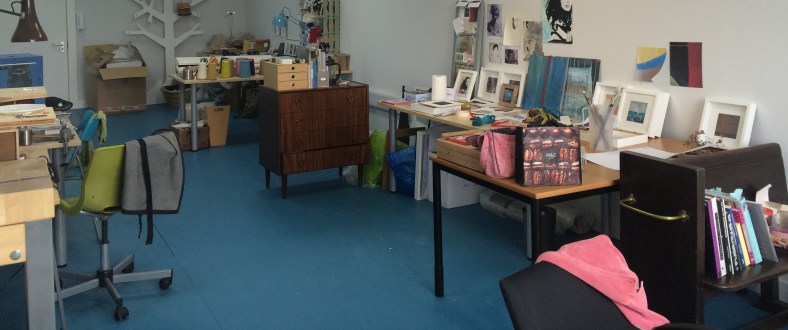
“The formation of memories gives us all a sense of who we are as human beings. For an artist, this can be as immediate as turning one’s gaze from the object to the easel. Other types of memory involve recalling skills, techniques and ideas gained through careful study and observation. Artists also create rich storehouses of impressions and images from which to form their own individual visual vocabulary. In so doing, they offer visual expressions of the world which can relate to shared, or communal experiences. The art of memory can thus also be the art of empathy.”
 

Quote: Frida Kahlo

“A little while ago, not much more than a few days ago, I was a child who went about in a world of colours, of hard and tangible forms. Everything was mysterious and something was hidden, guessing what it was was a game for me. If you knew how terrible it is to know suddenly , as if a bolt of lightning elucidated the earth. Now I live in a painful planet, transparent as ice; but it is as if I had learned everything in seconds.”

New thoughts on my work

I had to write a blurb for the Central Fife Open Studios brochure, and this helped me to really think about what I’m doing and what inspires me. So this is the way my writing appears on my page on the CFOS website:

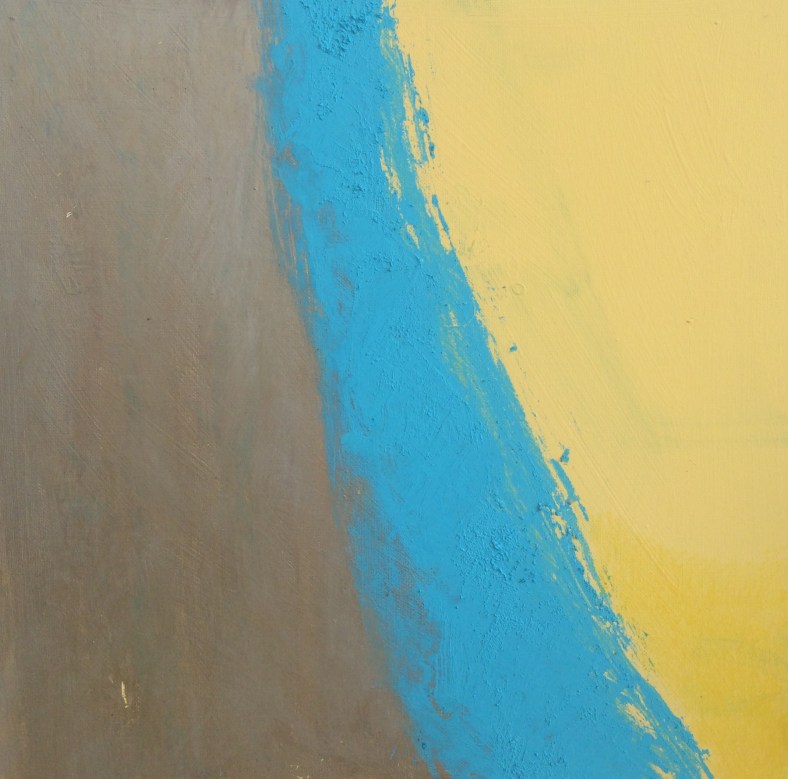
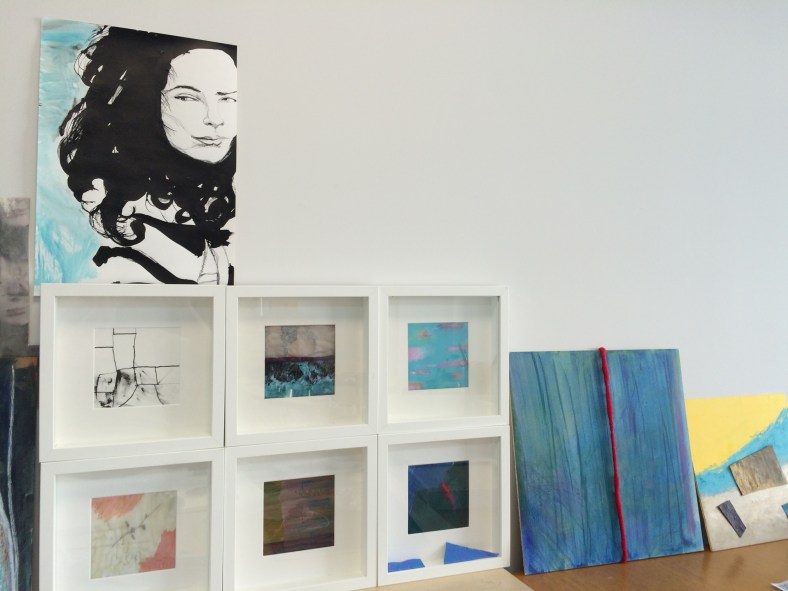
“Jane works mainly with acrylic, wax pigment and collage on abstract paintings, and with photography, drawing, collage and ink on figurative works.

n her paintings she works instinctively, exploring the mobility of the painted surface, while mindfully underlying or overlying the composition with order, measure and balance. Jane often takes inspiration from micro and macro scales in natural forms. In the figurative works she is fascinated by the intersections between personal memory and history.” 

Quote: George Gunn on Timothy Neat’s book of drawings

“As the Tories make everyday life for the majority of people ever more difficult it is Timothy Neat who reminds us, so timely and opportunely as we wrestle with this new stage in our evolving democracy, that art can make life possible, joyous. As Pushkin wrote “Pechal moya svelta” or “My sadness is luminous”. What the artist supplies us with in “The Day of the Mountain” is a “luminous” truth and the four year period these drawings were created in proves that in Timothy Neat Scotland possess an artist who is obsessively busy and who is also aware of time and how it passes. If we are to achieve the freedom we require then all of Scotland’s artists have to be similarly “busy” telling the truth because the other mediums to which we can turn are few. In our political processes we may stutter and stagger. It is in our artists we succeed. Timothy Neat sets it out quite plainly,

“When I bought my sketchbooks and began drawing again (after a break of fifty years) I had a vague sense that I was preparing myself for artistic, cultural and political responsibility.”

http://bellacaledonia.org.uk/2016/04/28/the-freedom-of-the-mountain-from-the-province-of-the-cat/

“The Day of the Mountain” is published by Polygon. wwwpolygonbooks.co.uk ISBA 978 1 84697 358 1

The Fall of Light: 200 new drawings by Timothy Neat opens on 7th May at Wallprojects in Montrose. See www.wallprojectsltd.com for details.

Quote: Anne Michaels on Timothy Neat

“The exhilaration of being in the world, of communion, the range of subjects, the eye roaming and alighting, the quick empathy and falling in step with another human being, the artist looking at and simultaneously looking from. All occurs in that empathetic moment, a quick grace, bestowal and receiving…. This great freedom to look and feel to let in the world, to cast one’s gaze.”