Quote: Matthew Ritchie

But the reason they create good paintings is not because they’re “paintings”; it’s not because they’re well painted either. It’s because they’re painted with a kind of agenda that that artist brings to it. And that’s a big difference. I have my agenda; that’s what I do whenever I show up to make a sculpture, a painting, or a drawing. I am enacting my perception rather than making a “good” painting because some of the best paintings are really at times the worst paintings you could make. They’re all wrong. You know…there are only five good impressionist painters, and there are like fifty thousand bad impressionists and they are still making those bad impressionist paintings. Why are those few good? Why is someone making an impressionist painting today awful? It’s not because they’re painting it badly, it’s because because they just don’t have a reason to paint it. So that is what I mean when you think about what painting is

Inside the Painter’s Studio, Joe Figg, Princeton Architectural Press | New York, 2009
Quote: Matthew Ritchie

writing is like a different dimension, different from sculpture or painting in the that each way of creating is like a different dimension. So you start stacking them up [combining painting, sculpture, writing, etcetera], and then it’s like now you’ve got something interesting. But they’re not – time is not the same as space, even though they happen at exactly the same…you know, though they’re completely interlinked, they’re entirely different things. So that’s kind of how I think of writing, it’s like I’m looking at the same thing but from somewhere so different…

from Inside the Painter’s Studio, Joe Figg, Princeton Architectural Press, New York, 2009

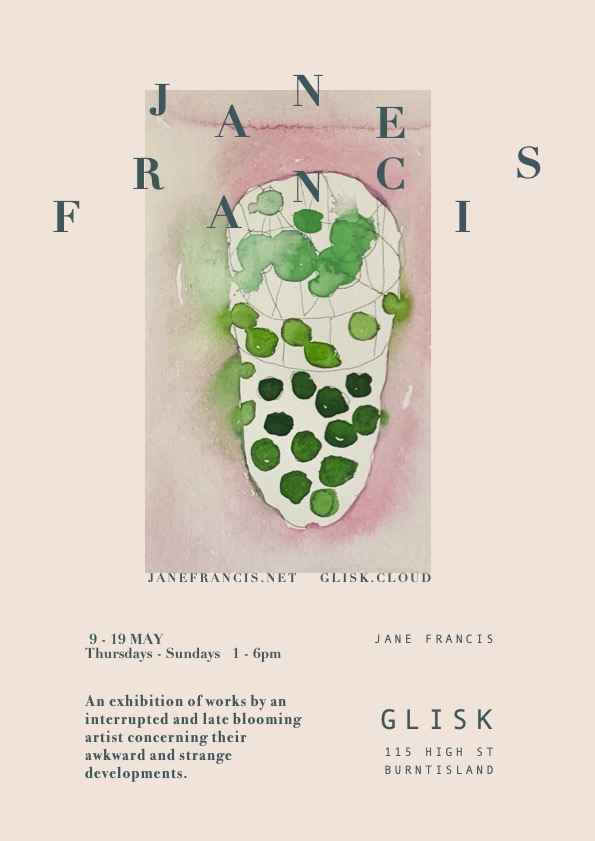
Selected work 2014-2024 (with a few odd pieces 1989-1990)

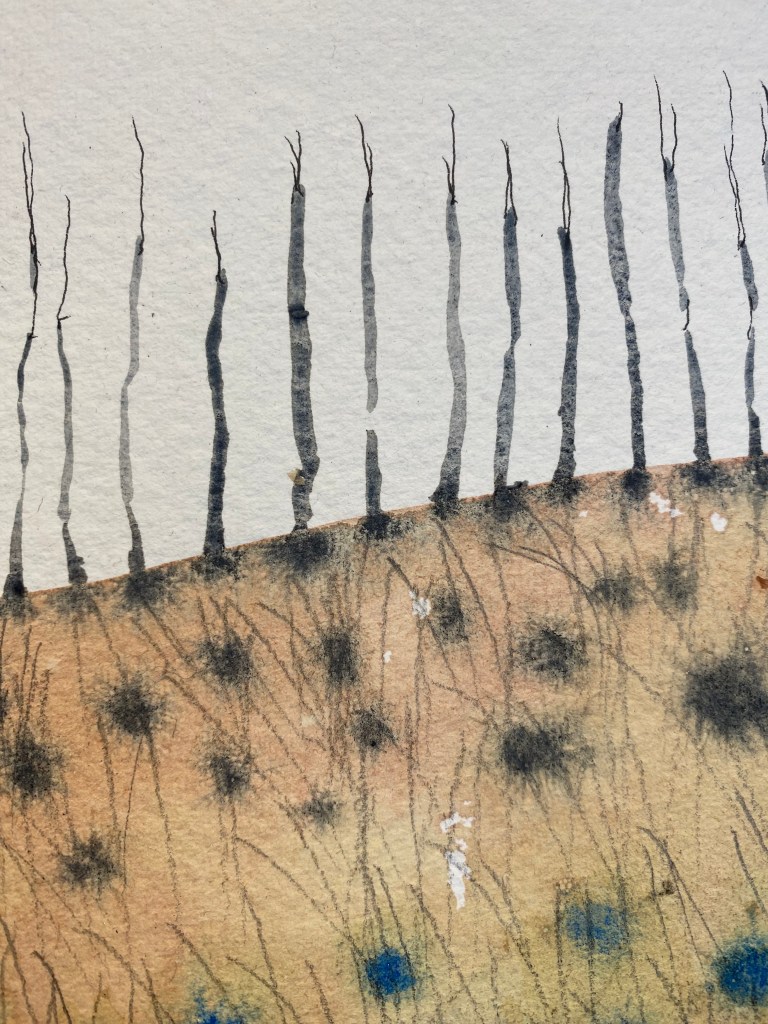
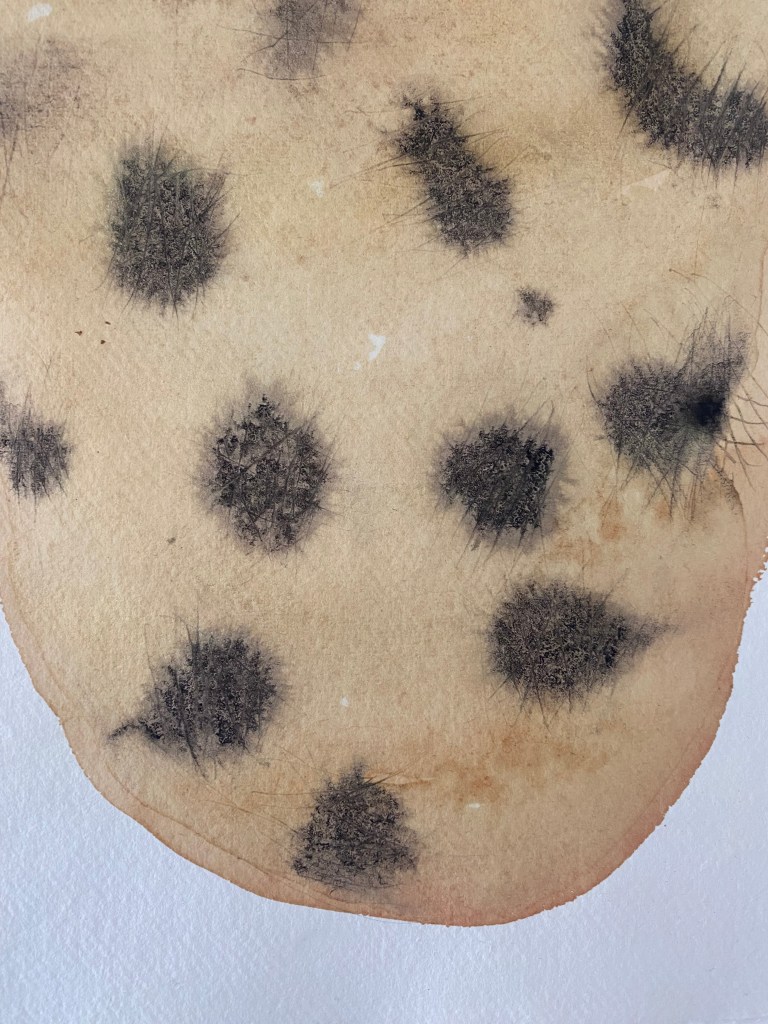
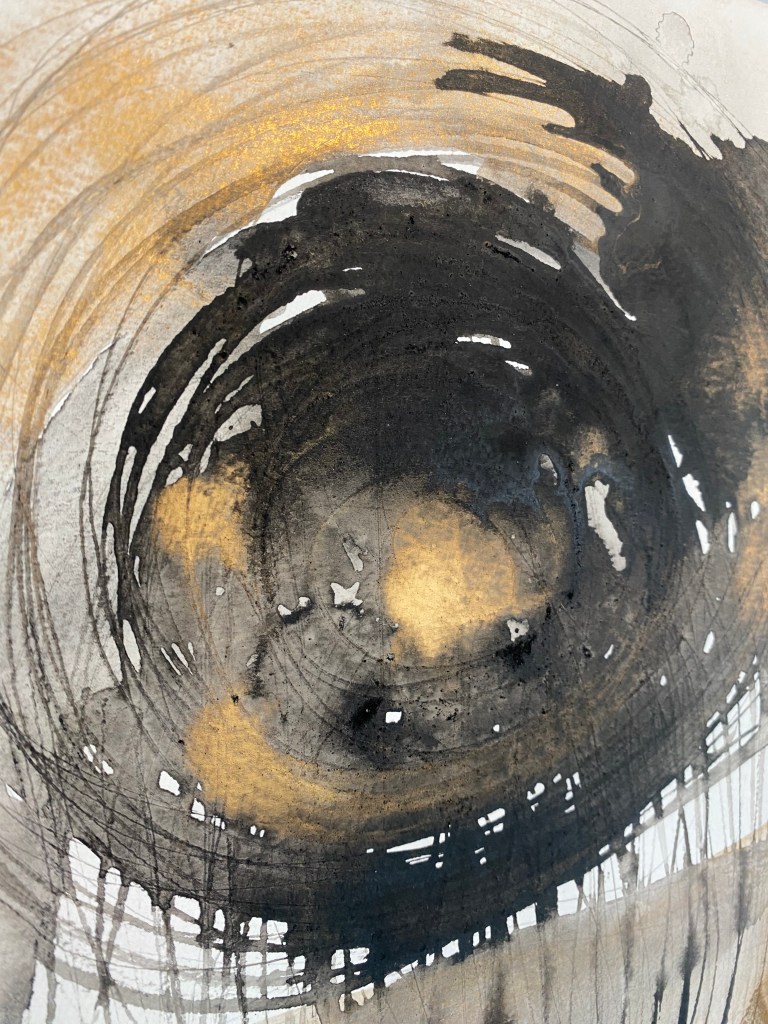
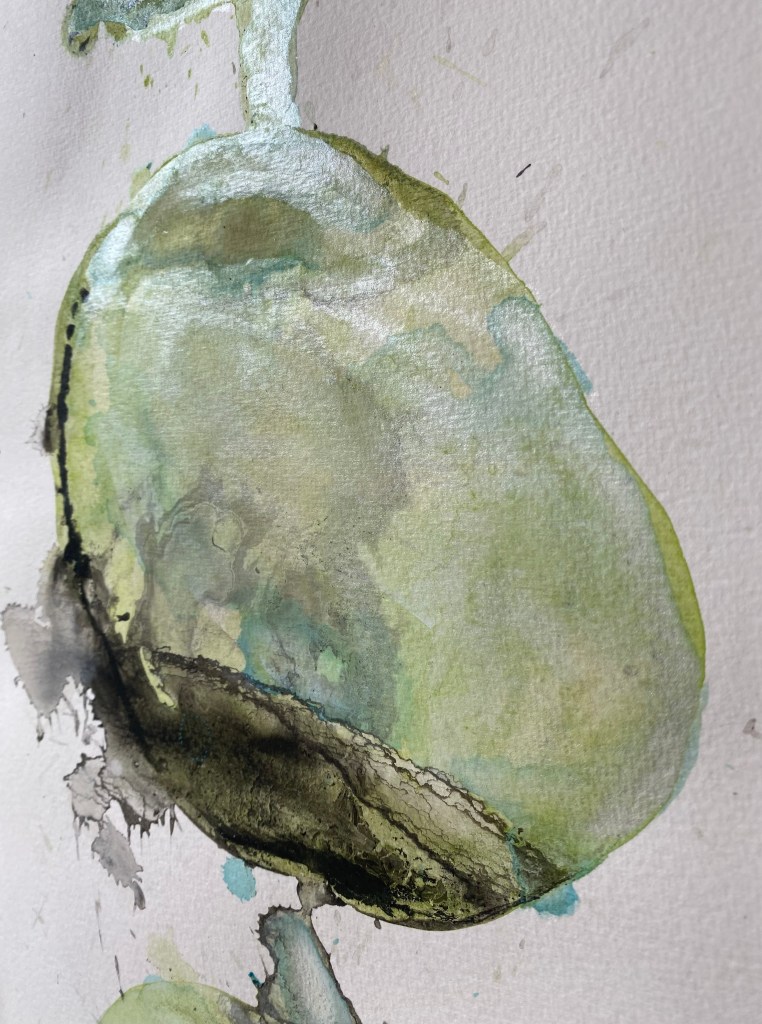
I’m putting together a selection of my paintings and other works made over the last ten years. After a gap of 24 years I began making art again in 2014, and since then I’ve been on a journey which has been circuitous, elated, awkward, and just a bit strange…

Open dates are Thursday 9th to Sunday 19th May 2024, 11am – 6pm. I’ll be taking a break the following weekend 23rd – 25th, but will leave up the work until 2nd June to suit any other visitors by appointment.

Quote: Gregory Amenoff

I think that artists have a responsibility to work as fiercely as the can in their studios in exchange for the privilege of making things that the world doesn’t necessarily ask for. I think that artists should be engaged in the world in ways outside of their artwork – politically, socially, not necessarily through their artwork, but just as citizens. I don’t much believe in the hermit artist, in other words. And I believe in some overall sense of, you know, generosity of spirit in the work that gets transmitted, hopefully to the audience. Those are my tenets.

Inside The Painter’s Studio, Joe Fig, Princeton Architectural Press, 2009

Quote: Devon Price

We have energy if we get enough sleep, if we eat robustly and eagerly, and if life is filled with shared wanderings that we can look forward to. We need repetition, and comfort, and rest, but also ample space to dream, and the power to bring some of those dreams into reality. So many people under capitalism lack all of those things. Their jobs are a chronic illness they must cradle, manage, and make endless sacrifices for every single day.

Work is a Chronic Illness – Medium

across their many islands – two films

I made two short films of the exhibition of this body of work. I wanted to document the universe they temporarily created…The second one features me flicking through the booklet/zine which was created for this exhibition, containing the piece of writing done in collaboration with Becky Beasley.


The music playing during the videos is ANOHNI’s latest album, My Back Was a Bridge For You To Cross, 2023, which I was listening to extensively in the final preparatory stages of the exhibition and while it was on. The poem on the wall is The Underworld by Hannah Enerson, from her book of poems The Kissing of Kissing, Milkweed Editions, 2021. This poem remained in my mind from the moment I first read it, and formed a touchstone for the duration of the making of this work.

ACROSS THEIR MANY ISLANDS

This body of work is the culmination of a year and three months of reflection and research, which took place mainly at my studio and exhibition space, Glisk, in Burntisland, Fife. At the end of the period of working, I created an exhibition from what I had been doing, which was an interesting process in itself. The exhibition is running from September 21 to October 01 2023.

The central themes are relationally, our complex entanglement with the more-than-human world, and the neurodiversity paradigm as a standpoint of social justice, which stands alongside other movements for a future of abundance and diversity. The creation of the work was rooted in readings and engagement with thinkers, artists and poets about neurodiversity, ecology and social justice. Listening to music played a profound role in helping to direct and inspire the gestural, stimmy movements needed to create the works.

The title comes from the introduction to an interview between Edouard Glissant, the Martinique philosopher and poet, and Hans Ulrich Obrist:

“These archipelagos must encounter each other because, across their many islands, interdependence and difference co-exist – and, in this way, they carry the energy that is necessary for our whole globe, our whole world. We might currently believe that this energy derives from military and economic force, but this is not so. It lies in the ideas and poetics of how we organise the world…They open us to a sea of wandering: to ambiguity, to fragility, to drifting, which is not the same as futility.

Quote: Maret Anne Sara

I have a strong need to seek and manifest hope…These exhausting experiences of constant fights within a structure of unbalanced and unjust power relations […are] why I chose the stomachs as an expressive material. It became central in telling the story of how we as beings react to colonialism and carry life experiences.

Sara quoted in Katya Garcia-Anton and Liv Brissach, When the Red Calves Arrive, the Hope Returns/; Sami Healing and Sensate Sovereignty in Maret Anne Sara’s Practice – Catnosat

Quote: Hans Ulrich Obrist on Edouard Glissant

I would first of all like to say something about archipelagos. I think the idea of the archipelago — as a place where we can begin to understand and resolve the contradictions of the world — should be propagated. The archipelagos of the Mediterranean must encounter the archipelagos of Asia, and the archipelago of the Antilles. These archipelagos must encounter each other because, across their many islands, interdependence and difference coexist — and, in this way, they carry the energy that is necessary for our whole globe, our whole world. We might currently believe that this energy derives from military or economic force, but that is not so. It lies in the ideas and poetics of how we organize the world. Continents weigh us down. They are thick and sumptuous. Archipelagos are able to diffract, they create diversity and expansiveness, they are spaces of relation that recognize all the infinite details of the real. Being in harmony with the world through archipelagos means inhabiting this diffraction, while still rallying coastlines and joining horizons. They open us to a sea of wandering: to ambiguity, to fragility, to drifting, which is not the same as futility.

The Archipelago Conversations, an excerpt – Hans Ulrich Obrist – Interview with Edouard Glissant
European Review of Books https://europeanreviewofbooks.com/hans-ulrich-obrist-interviews-edouard-glissant/en